What Do Belt Ranks Mean in Karate? IMAA’s Belt Order Explained

By Master Charles FalkPublished 3 min read
A karate belt shows how far a student has come in their training. Students start at white belt and move through a set order of colors as they learn new skills and pass tests, with black belt marking the end of the first stage of training. Every school sets its own order, so here’s ours.
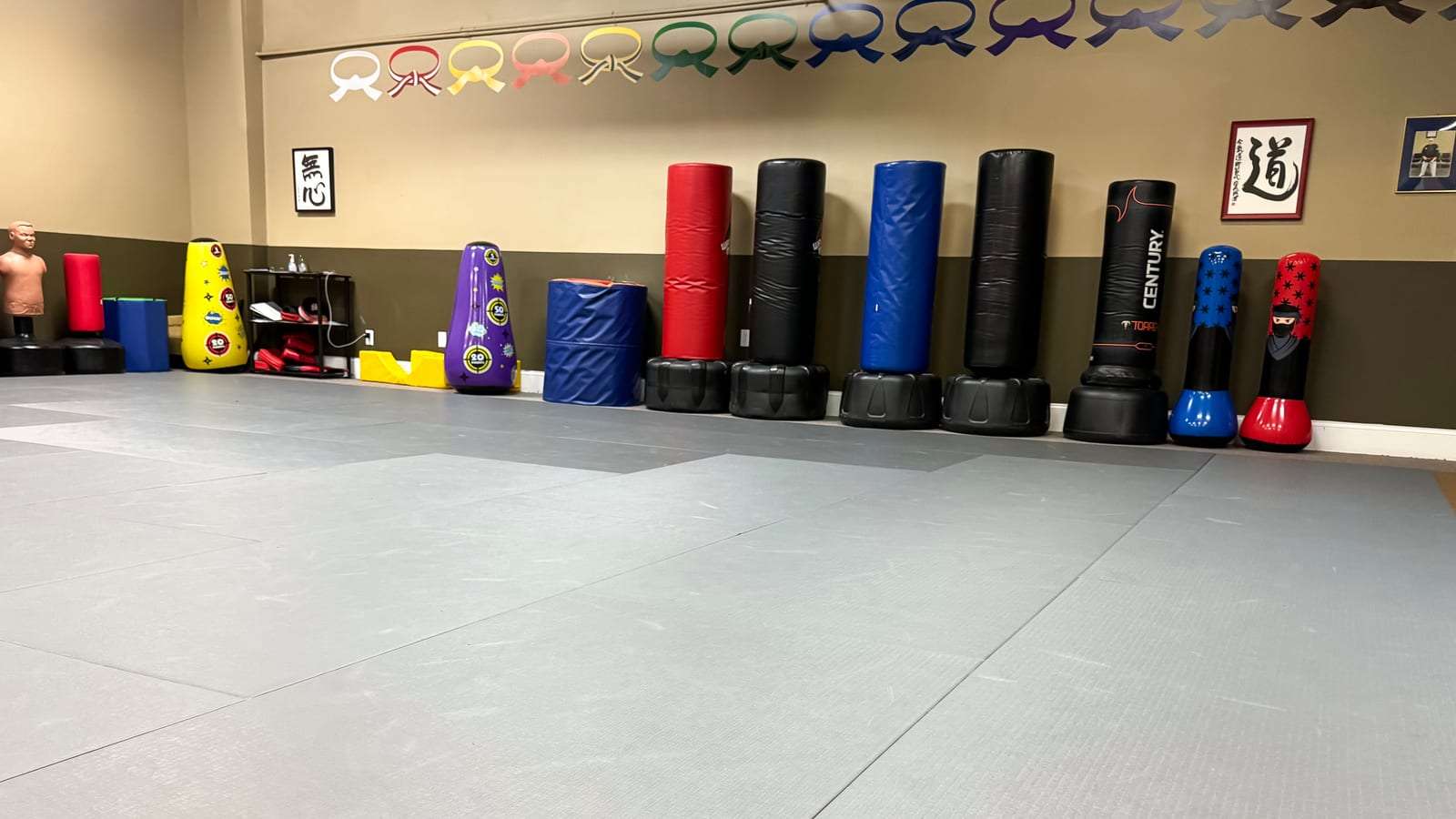
IMAA’s belt order
At Innovative Martial Arts Academy, our Kenpo students move through these belts:
- White
- Yellow
- Orange
- Gold
- Green
- Blue
- Purple
- Brown
- Black
How does a student earn the next belt?
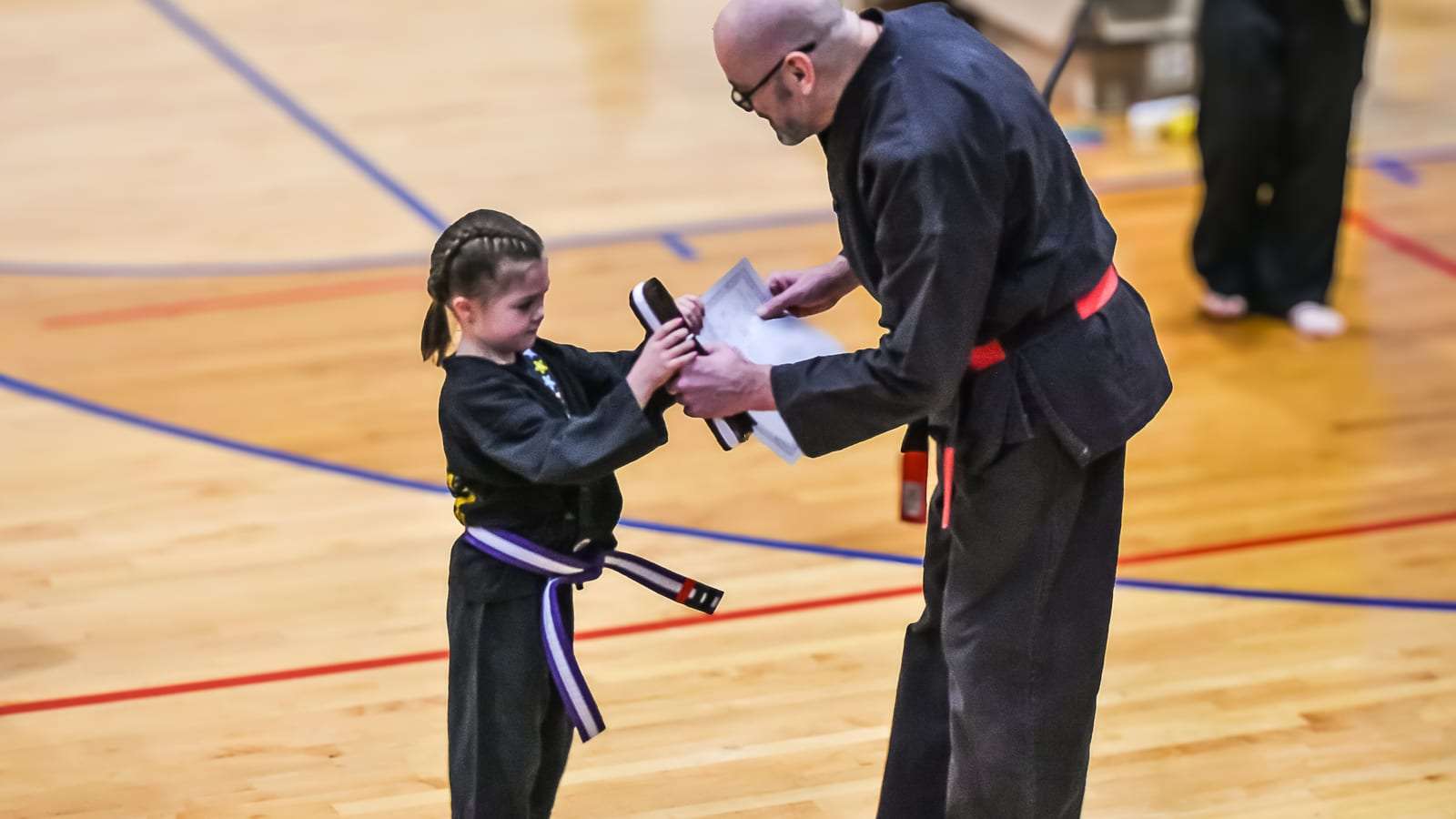
Students earn belts by doing well in class, maintaining good grades, and showing respect to their teachers at school and their parents at home. We look at effort and attitude, along with technique, so a new belt reflects mental and emotional growth as well as physical skill.
Instructors give stripe tests twice a quarter, and belt tests happen every quarter. A student who isn’t ready for a test keeps working and tests the next time, which is good practice at sticking with something hard.
If you or your child is working toward the next belt, here’s what helps most:
- Come to class every week. Steady attendance beats a burst of practice before a test.
- Practice at home for a few minutes between classes.
- Ask an instructor what to work on, and listen when they tell you.
- Get the basics right first. Stances, blocks and strikes come up at every rank.
Why do martial arts use belts at all?
Belts give students a goal they can see. A young child can’t picture a black belt three years away, but they can picture their next stripe, and each small step shows them that steady work pays off.
The idea is newer than many people think. Jigoro Kano, who founded judo, began awarding dan (black belt) ranks in the 1880s. The colored belts in between came later, and karate schools picked up the system in the 20th century. You may have heard that belts turned black from years of dirt and sweat. It’s a fun story, but it isn’t where the colors came from.
What does black belt mean at IMAA?
This is a black belt school, and at IMAA black belt stands for personal excellence. Most people who train twice a week earn a black belt in about 3 to 5 years. Since 2004, nearly 250 IMAA students, kids and adults, have earned one. You can see them on our Black Belt Wall.
Earning it takes years of showing up, working through hard classes and staying humble when things go well. As Master Falk tells his students, “Earning a black belt isn’t about fighting. It’s about living.” Many black belts keep training toward higher degrees, because by then they’re ready to learn at a deeper level.
What can parents do to help?
We value family first, and your child makes the most progress when what they learn in class is backed up at home. Cheer when your child keeps trying at something hard, even when there’s no new belt on the line. Ask what they learned in class this week. And when a test doesn’t go their way, help them make it their next goal.
Kids start at IMAA as young as 3. See our kids’ martial arts programs, or come try a class.